Key takeaways
- Four UAE regulatory frameworks reach IoT and connected devices: the federal UAE IAS, CBUAE for financial institutions, DESC for Dubai government entities and ADHICS for Abu Dhabi healthcare providers.
- The UAE IAS applies to all federal government entities and critical infrastructure operators and covers every connected device on an in-scope network, regardless of device type.
- CBUAE reaches ATMs, payment terminals and any device on a network that handles regulated financial data, not only servers and workstations.
- ADHICS covers connected medical devices in Abu Dhabi healthcare facilities, where a compromise carries patient safety consequences beyond data exposure.
- A compliant IoT pentest report maps each finding to the specific control requirement of the applicable framework, not only to a generic severity score.
Four frameworks, one estate of connected devices
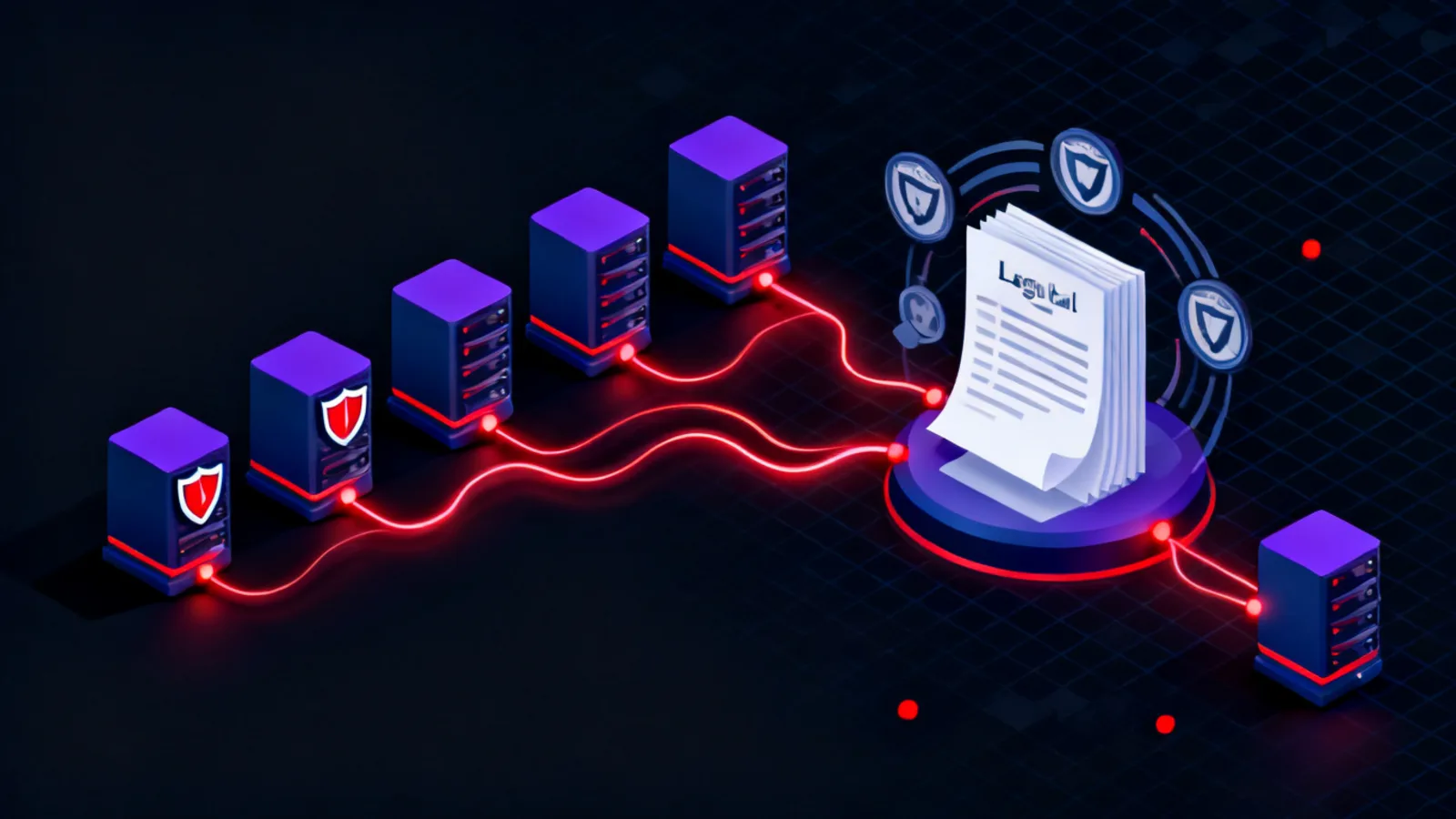
The UAE has four regulatory regimes that name security testing requirements. The federal UAE Information Assurance Standard, published by TDRA through NESA, applies to government entities and critical infrastructure operators. Three sectoral frameworks add requirements on top of it: the CBUAE Cyber Security Framework for financial institutions, the DESC framework for Dubai government entities and their suppliers, and ADHICS for Abu Dhabi healthcare providers.
IoT devices do not sit outside these frameworks. A connected device on a network that processes financial data, patient records or government information falls inside the scope of whichever framework binds that organisation. An IoT pentest is the assessment that maps device-level findings to those regulatory requirements and produces the evidence a regulator can read.
National baseline
UAE IAS
NESA/TDRA: government entities and critical infrastructure
All connected endpoints
Any device on a regulated network is in scope
Sectoral overlay
CBUAE
Financial institutions across the UAE
DESC
Dubai government entities and suppliers
ADHICS
Abu Dhabi healthcare providers
Testing evidence
Vulnerability assessment
Devices, firmware, network interfaces
Pentest report
Findings mapped to control requirements
What the UAE Information Assurance Standard requires
The UAE IAS, published under NESA and currently at version 1.1, applies federally to government entities and designated critical infrastructure operators. Its network security controls require organisations to test the security of connected systems periodically. Any device that is part of a regulated network, including embedded systems, building controllers and field sensors, falls within those controls.
The IAS does not use the term "IoT pentest," but its requirements for network segmentation, device authentication and vulnerability assessment extend to every endpoint connected to an in-scope network. An organisation bound by the UAE Information Assurance Regulation that deploys connected devices across its estate is expected to test those devices as part of its security testing program. A scoped penetration test that includes connected device coverage satisfies the IAS testing requirement when the scope is documented and findings are mapped to the relevant controls.
CBUAE and connected devices in financial services
The CBUAE Cyber Security Framework applies to all licensed financial institutions in the UAE, including banks, insurers, exchange houses and payment service providers. Its network security domain includes requirements for device inventory, network segmentation, endpoint protection and vulnerability testing that apply to any device connected to a regulated network.
Financial institutions operate connected devices beyond workstations and servers. ATMs, payment terminals, branch kiosks, building management systems and surveillance equipment all sit on networks that process or handle data subject to the framework. The CBUAE framework does not name a specific test methodology, but its vulnerability assessment and penetration testing requirements are met by a scoped test that covers connected device classes, provided the scope document names each device type and the report maps findings to the relevant framework controls.
DESC requirements for Dubai government entities and their suppliers
The Dubai Electronic Security Center framework applies to Dubai government entities and the technology suppliers that serve them. Organisations deploying connected systems in Dubai government facilities, smart city infrastructure or operational assets must satisfy DESC security testing requirements as part of their procurement and ongoing compliance obligations.
DESC requirements extend to OT and IoT systems operated by or on behalf of Dubai government entities. A supplier providing connected building management, access control or utility monitoring under a Dubai government contract is expected to demonstrate that those systems have been security tested. OT and ICS testing and IoT testing both apply depending on the technology in scope, and the test scope should be agreed in writing with the relevant DESC compliance contact before work begins.
| Framework | Who is bound | IoT and connected device scope | Key testing requirement |
|---|---|---|---|
| UAE IAS (NESA/TDRA) | Federal government entities and critical infrastructure operators | All network-connected endpoints including embedded systems and field devices | Periodic vulnerability assessment and penetration testing of in-scope networks and connected endpoints |
| CBUAE Cyber Security Framework | Licensed financial institutions | ATMs, payment terminals, kiosks and any device on a regulated financial network | Vulnerability testing and security assessments covering all in-scope assets |
| DESC Cyber Security Framework | Dubai government entities and their technology suppliers | Connected building, utility and operational systems under Dubai government oversight | Security testing as part of procurement and ongoing compliance obligations |
| ADHICS | Abu Dhabi healthcare providers and their device suppliers | Connected medical devices and clinical networks handling patient data | Security testing of devices and networks that process or transmit patient information |
ADHICS and connected medical devices in Abu Dhabi
ADHICS is the Abu Dhabi Healthcare Information and Cyber Security standard, published by the Department of Health. It applies to healthcare providers in Abu Dhabi and their IT and medical device suppliers. Connected medical devices touch both patient safety and information security. A compromised infusion pump, imaging system or patient monitoring device can affect clinical outcomes, not only data confidentiality.
ADHICS requirements cover device inventory, network segmentation of clinical networks and security testing of devices that handle patient data. An organisation deploying connected medical devices in Abu Dhabi healthcare facilities is expected to assess those devices as part of its ADHICS compliance program. An infrastructure pentest covers the network layer, while an IoT pentest addresses the device firmware, hardware interfaces and the cloud backend the device reports to.
What testing evidence the frameworks read
Each of the four frameworks asks for testing, but the specific evidence required differs in emphasis. The IAS and CBUAE both require a vulnerability assessment program and periodic penetration testing. DESC and ADHICS frame their requirements in terms of supplier assurance and device security more than a named test type, but both accept a penetration test report as evidence of control effectiveness when the scope is clear and findings are mapped to specific controls.
The article How an IoT pentest is run sets out the technical phases that generate this evidence: firmware analysis, radio protocol testing, hardware interface review and cloud backend assessment. What the regulatory report adds to that technical output is a mapping from each finding to the specific control requirement it affects. A finding that shows unauthenticated firmware update capability should be mapped to the network authentication controls in the IAS, the device security domain in the CBUAE framework or the connected device requirements in ADHICS, depending on which framework binds the organisation.
Where an organisation wants to test whether a compromise of a connected device can become a wider network compromise, the red team path applies. That is the question that matters most for critical infrastructure operators bound by the IAS, and it is the scenario where a device-level finding becomes a business-level risk.
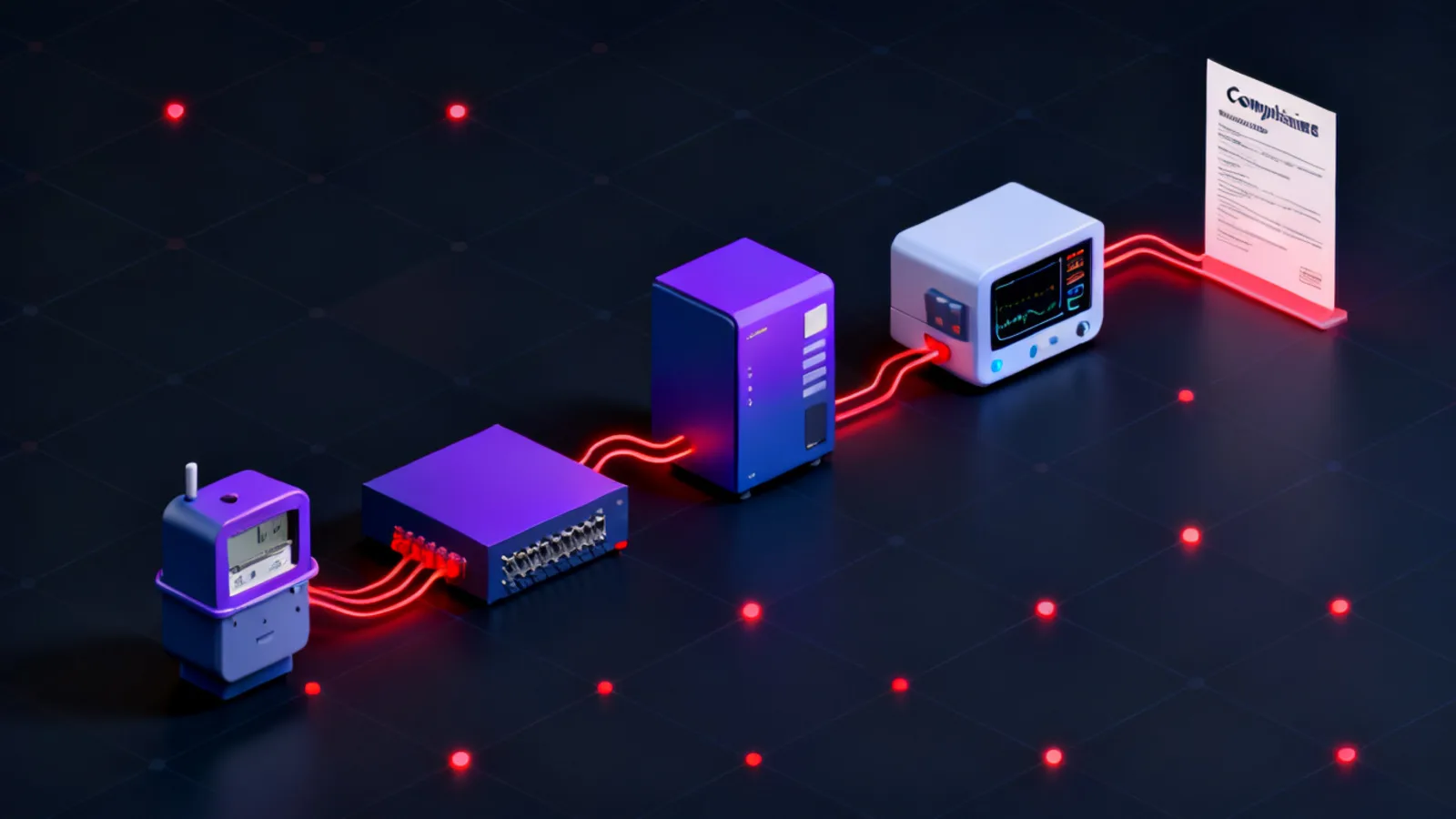
Device inventory
Every connected device on an in-scope network
Scope and regulatory mapping
Which framework applies to each device class
Test execution
Firmware, radio, hardware and cloud backend
Findings mapped to controls
Each finding tied to the IAS, CBUAE, DESC or ADHICS control
Remediation record
What was fixed, when and how the fix was verified
IoT security testing under UAE frameworks: what Abu Dhabi and Dubai operators need to know
Abu Dhabi and Dubai are two of the most regulated cybersecurity environments in the region. The UAE's regulatory approach is layered: the federal UAE IAS sets a baseline that applies to government entities and critical infrastructure operators across both emirates, while sectoral frameworks add requirements specific to each industry.
In Dubai, government entities and their suppliers operate under DESC, which covers connected systems deployed in smart city infrastructure, transport, utilities and government facilities. The DESC framework has expanded its scope as Dubai's operational technology estate has grown, and suppliers with IoT deployments in Dubai government projects are expected to demonstrate security testing as part of procurement. In Abu Dhabi, ADHICS reaches healthcare providers and their device suppliers, covering connected medical devices across clinical settings. CBUAE applies to financial institutions across the UAE regardless of emirate, reaching any institution that connects devices to a network handling regulated financial data.
For an organisation with operations across both emirates, more than one framework may apply simultaneously. A bank with an Abu Dhabi branch and a Dubai head office is bound by CBUAE everywhere and may also face DESC obligations for any Dubai government contract work. Understanding which framework applies to each connected device is the foundation of a compliant IoT pentest scope. RedTeam Security is licensed in Dubai Silicon Oasis and tests IoT deployments against all four UAE frameworks.
Frequently asked questions
What is the regulatory basis for IoT security testing in the UAE?
Four frameworks reach IoT and connected devices in the UAE. The federal UAE Information Assurance Standard applies to government entities and critical infrastructure operators. The CBUAE Cyber Security Framework applies to financial institutions. The DESC framework applies to Dubai government entities and their suppliers. ADHICS applies to Abu Dhabi healthcare providers and their device suppliers.
Does the UAE Information Assurance Standard apply to IoT devices?
Yes. The IAS applies to all connected systems on a regulated network, not only servers and workstations. Its network security and vulnerability assessment controls extend to embedded systems, field sensors, building controllers and any other device connected to an in-scope network. The standard does not use the term IoT, but the scope is broad enough to cover any network-connected device.
Which UAE regulations apply to financial institutions that operate ATMs or payment terminals?
The CBUAE Cyber Security Framework applies. Its network security and asset management domains cover all devices connected to a regulated financial network, including ATMs, payment terminals and branch kiosks. The framework requires vulnerability testing and security assessments across all in-scope assets, and a connected device on the same network segment as core banking infrastructure is in scope.
What does DESC require from Dubai government suppliers with connected systems?
Dubai government suppliers with connected systems are expected to demonstrate that those systems have been security tested as part of their procurement and ongoing compliance obligations under DESC. The specific test required depends on the technology in scope: OT and ICS testing applies to industrial control systems, and IoT testing applies to connected devices such as building management or access control systems.
How does ADHICS cover connected medical devices in Abu Dhabi?
ADHICS applies to Abu Dhabi healthcare providers and their device suppliers. Its controls include connected device security requirements covering device inventory, clinical network segmentation and security testing of devices that handle patient data. A connected medical device in an Abu Dhabi healthcare facility is in scope for ADHICS security testing regardless of whether it processes patient records directly or simply sits on the same clinical network.
How does an IoT pentest differ from an infrastructure pentest under UAE frameworks?
An infrastructure pentest covers network hosts, servers and segmentation. An IoT pentest adds firmware analysis, radio protocol testing and hardware interface review, which are required to assess the full attack surface of a connected device. Under UAE frameworks, both may be required: the infrastructure pentest satisfies network security controls and the IoT pentest satisfies device-specific controls. The scope agreement should specify which framework controls each test is mapped to.
What evidence does a UAE regulator expect from an IoT security test?
A UAE regulator expects a pentest report that includes a device inventory, a documented scope naming which framework controls apply, test findings with reproducible evidence, and a remediation record showing what was fixed and when. Findings should be mapped to the specific control requirement they affect, not only to a generic severity score. A report that lists vulnerabilities without regulatory mapping leaves the compliance question unanswered.
Does every UAE organisation with IoT devices need to test them?
Only organisations bound by one of the four frameworks are required to test connected devices. Government entities and critical infrastructure operators are bound by the UAE IAS. Financial institutions are bound by CBUAE. Dubai government entities and their technology suppliers are bound by DESC. Abu Dhabi healthcare providers are bound by ADHICS. Organisations outside those categories are not currently bound by a mandatory testing requirement, though the frameworks extend to suppliers and subcontractors of bound entities.
How often do UAE frameworks require IoT security assessments?
The UAE IAS and CBUAE both require periodic security assessments, with the frequency tied to risk classification and any material changes to the environment. Neither specifies a fixed interval. Organisations typically align with an annual assessment cycle and test after any significant change to the connected device estate. DESC and ADHICS follow similar principles, with the specific frequency set in the organisation's security testing plan.
What is the difference between the UAE IAS and sectoral frameworks such as CBUAE or DESC?
The UAE IAS is a federal baseline that applies to government entities and critical infrastructure operators across all sectors. CBUAE, DESC and ADHICS are sectoral frameworks that add requirements specific to their regulated industry on top of that baseline. An organisation bound by CBUAE is also bound by the IAS if it qualifies as critical infrastructure. The sectoral framework takes precedence where its requirements are more specific, and the IAS fills any gaps.